If you have not already, I would encourage you to read last week’s preface to this week’s post: [1]
Once we knew we were heading to Austria on our road trip this fall, I lined up some time to watch “The Sound of Music” without even realizing that the screen adaptation was celebrating its 60th anniversary in 2025. [2] Growing up with the stage musical, I’m not entirely sure I ever saw the whole movie in one sitting until this summer, and (unsurprising to literally anyone who knows me) I vastly prefer the original. I have no desire to take anything away from Julie Andrews’ iconic performance, the breathtaking Alpine scenery, or the intense nostalgia many, many people feel for the movie, but I do take issue with some changes that were made by Hollywood, things that may not have been particularly problematic at the time but certainly feel that way now.
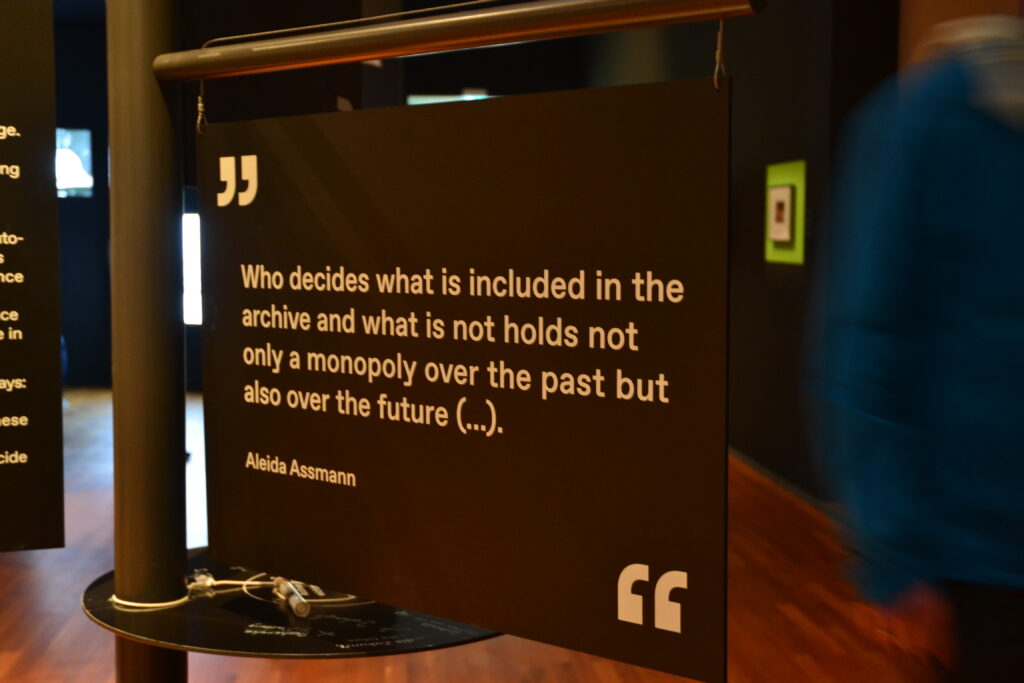
I’ll start off this post with a simple but weighty lesson that most of us don’t learn in school: storytelling is an art, not a science. The subject can be completely fiction, or it can be completely fact, but even if it’s the latter, the storyteller chooses specific pieces of information to include and exclude, as well as when to reveal certain details in order to make a specific point and lead the audience to a specific conclusion or perspective. What we as the audience need to do is examine the point the storyteller is trying to make, especially if it’s “based on a true story.” That doesn’t mean we can’t enjoy the art that was created for us, but it is important for us to understand what was changed (or excluded) and why, what was gained, and what was lost.
My Favorite Things
I won’t lie – like many, I’ve been drawn into historical research about certain families, events, or time periods because of a piece of historical fiction. And the original 1959 Broadway production of “The Sound of Music” is anything but historically accurate: there were 10 von Trapp children in all (not seven), Maria did not introduce them to music, and they boarded a train to Italy (where Captain von Trapp had citizenship) instead of climbing over the Alps in the middle of the night [3] (a journey that would have taken them days at least, considering the fact that Salzburg is about 250 miles from the Swiss border on today’s roads, if you want to avoid Germany). But I digress and fully admit that changing certain facts (and assuming some ignorance of European history and geography on the part of the audience) makes for a much more engaging story.
When the movie was released in 1965, it had some noticeable changes from the (already historically inaccurate) stage production. Songs were moved around or swapped with new ones featuring Julie Andrews’ Maria, and a full hour was added to the runtime, much of it with dialogue that did not make up for the context lost by the removal of the two songs featuring the Captain’s fiancée, Baroness Elsa Schräder. (And it’s not because the actress couldn’t sing, which sometimes happens – Eleanor Parker was a trained soprano with perfect pitch. [4]) Removing the Baroness’ songs was one of several deliberate choices, and critics argue that those changes rob characters (particularly female characters) of their agency and gloss over the dangers posed by the Nazi party.
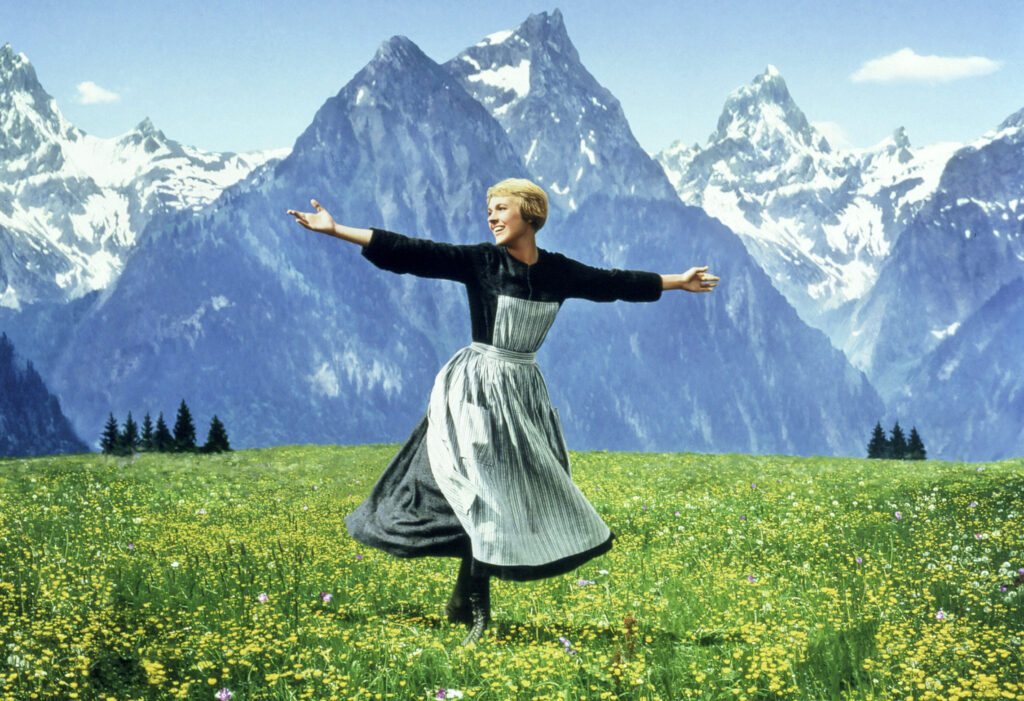
Image credit: [5]
In the song “No Way to Stop It,” the Baroness and her friend Max encourage the Captain to accept that the Nazi takeover of Austria is inevitable, and that he should be less idealistic and compromise a little to maintain his way of life. [6] The movie’s removal of this song (and any relevant dialogue to illustrate that tension between characters), makes it seem that Captain von Trapp simply preferred the pure, nurturing, dirndl-clad, [7] folk-dancing Maria to his cool, sophisticated, wealthy, Viennese fiancée. In doing so, the movie also removes any implication that the Captain’s decision to marry Maria instead is based on a deeper alignment of values – and plenty has been said on how that change removes character depth from both Maria and the Baroness, shifting agency away from both women and to the Captain. [8]
Another jarring change that removes character depth and robs the story of a beautiful moment is in the very climax of the show when the family is hiding from Nazi troops in Nonnberg Abbey. Liesl’s love interest Rolf, now in a Nazi uniform, discovers them there and has to choose what to do. In the musical, after locking eyes with Liesl, he lies to his commander and lets them go. In the movie, however, he calls to his lieutenant after the Captain grabs his gun, and an action sequence ensues, with the family achieving a narrow escape thanks to two nuns who are able to effectively disable Nazi vehicles with their shocking knowledge of internal combustion engines. (To me, that felt like a big sacrifice for a cheap joke.)
Shades of Grey
A common criticism of the screen adaptation is the removal of more explicit content about the threat of Nazi Germany and the subsequent treatment of Nazis as a stock villain. [9] Simply watching the movie, we don’t know much about why they’re bad or why they represent danger for the main characters (or Austria more broadly); only that they are a foil to the protagonists. And this removal of detail goes hand-in-hand with the flattening of characters (particularly the Baroness and Rolf) and the ultimate elimination of characters who occupy some kind of middle ground between good heroes and evil villains. The Baroness’ political views become a non-issue in the plot, and Rolf becomes more of an extremist, ultimately betraying the von Trapp family for the Reich. (Rolf is even listed as an “evil-doer” on an online database of movie villains. [10])
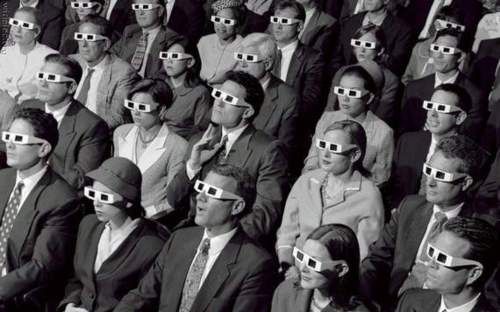
Image credit: [11]
Converting complex characters with unique motivations and conflicts into two-dimensional versions of themselves ultimately changes the stakes in the film: the danger is increasingly concentrated among those literally labeled as “evil” (wearing swastikas on their arms), while far less is said about people in the middle who are apathetic about politics or don’t understand the dangers of fascism. It is that grey area that is much harder to navigate as a viewer but also much more representative of the real world. And unfortunately, some of our most popular stories (which involve good and evil archetypes pitted against each other) do not prepare us for dealing with reality.
Good art (like good travel) puts you outside your comfort zone and challenges you, but Hollywood removed the most challenging material from the musical when adapting the story to screen. The result was a more comforting, less thought-provoking environment for the audience, [12] which I find insulting to the audience, but it was probably a safer financial bet for Hollywood. After all, it feels nice to identify with the heroes, who are basically all (or mostly) good and typically triumph over the villains who are basically all (or mostly) evil. Meanwhile, character-driven stories that operate in the grey area challenge us to examine how we feel (and possibly how we would act) in a given situation. Identifying with a morally grey character doesn’t feel as good to the audience, but it can be a lot more revealing.
The Real World
I’m not saying that we can’t enjoy comfort films that involve clear good-vs-evil battles. Nazis (or Nazi-coded villains) are a really effective shorthand for the epitome of evil in a lot of great films. [13] The danger comes from not recognizing that real life is more complicated than cinema because we have to deal with shades of grey in ways that many movies don’t. It’s simple and easy to say “Nazis are bad;” what’s more difficult but more valuable is to unpack what attitudes led to the creation of (and widespread support of) such a regime in the first place… especially if some of those attitudes included political apathy or lack of understanding of the consequences of certain policies or actions.
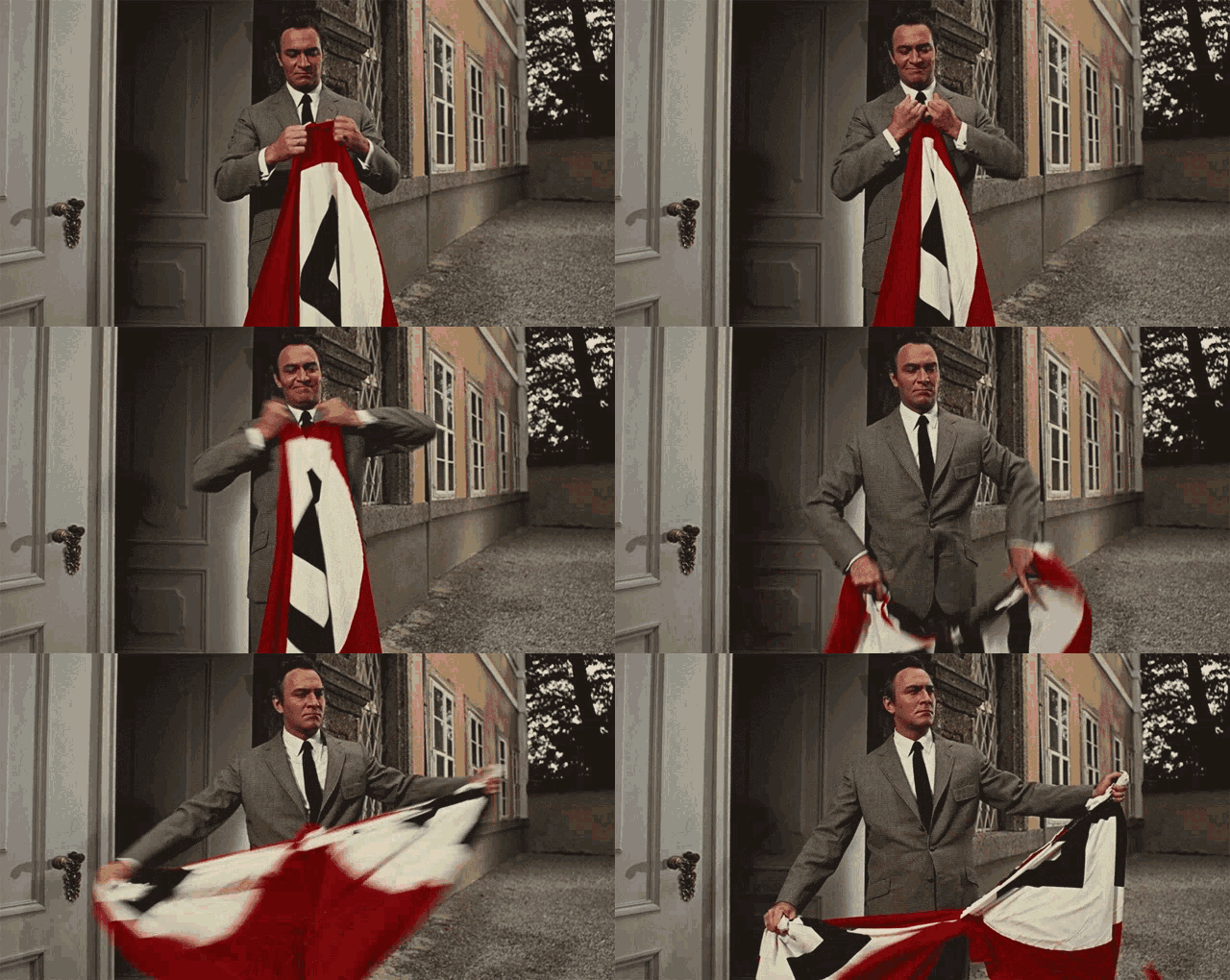
Image credit: [14]
Going back to “The Sound of Music,” a simple “yes, I’m a good person / no, I’m not a Nazi” assessment can make someone feel good when watching the movie, but it avoids meaningful avenues of self exploration that are more likely to be prompted by the musical. I am no longer invited to ask myself uncomfortable questions, such as “How do I feel about what Baroness Schräder is saying? Where would I draw my line in the sand?” Similar to the blog series I wrote on racism in the wake of George Floyd’s murder, simply assessing whether someone is racist or not usually results in a “No, I’m not racist” and shuts down the conversation, rather than asking the far more qualitative question of what someone is doing in a given moment to interrupt systems of racism. [15]
If I can watch “The Sound of Music” and accurately identify the Nazis as the villains (despite very little detail in the movie itself as to why they are the villains), there is basically no value in asking myself whether I identify with the good guys or the bad guys. However, I should instead be able to ask myself the more important question of, if I see Nazis as villains, what I am doing in any given moment to push back against nationalism, combat racial stereotypes, question charismatic leaders, and critique unfair power structures. If I don’t have answers to those questions, it sounds like I’ve got some work to do to identify ways to better align my actions with my values.
I’d be curious to hear what you think about ways to approach meaningful conversations that result in less defensiveness and more self-exploration, particularly amid our intensifying media echo chambers.
Thank you for reading!
[1] https://radicalmoderate.online/warts-and-all-navigating-difficult-history-as-a-tourist/
[2] https://www.imdb.com/title/tt0059742/
[3] https://chemainustheatrefestival.ca/did-you-know-the-true-story-of-the-von-trapp-family/
[4] https://entertainment.time.com/2013/12/10/eleanor-parker-more-than-just-the-sound-of-music-baroness/
[5] https://achievement.org/achiever/julie-andrews/
[6] https://rodgersandhammerstein.com/song/the-sound-of-music/no-way-to-stop-it/
[7] https://radicalmoderate.online/warts-and-all-navigating-difficult-history-as-a-tourist/
[8] https://lithub.com/rewatching-the-sound-of-music-in-the-age-of-tradwives-trump-and-american-fascism/
[10] https://breezewiki.com/villains/wiki/Rolf_(The_Sound_of_Music)
[11] https://www.pinterest.com/pin/118430665216846056/
[13] https://www.moriareviews.com/nazis-in-fantastic-cinema
[14] https://tenor.com/view/the-sound-of-music-flag-rip-tear-shred-gif-20023624
[15] https://radicalmoderate.online/everyones-a-little-bit-racist-part-2/
0 Comments