Coming up to January 1, 2026, I felt a good bit of frustration and resentment. That’s not a new feeling, especially when I know I’m getting close to burnout. [1] This time of year I am often behind schedule because I want to make sure everyone else in my life (personally and professionally) has a nice Christmas, so I don’t always get time to enjoy it myself. Even on the day this post goes live, the 11th Day of Christmas, I still haven’t mixed up dough to make the traditional cookies I always bake for friends and family. And part of the strong emotions I’ve been feeling has to do with the loss of my family’s traditions, which has been on my mind and in blog posts recently. [2]
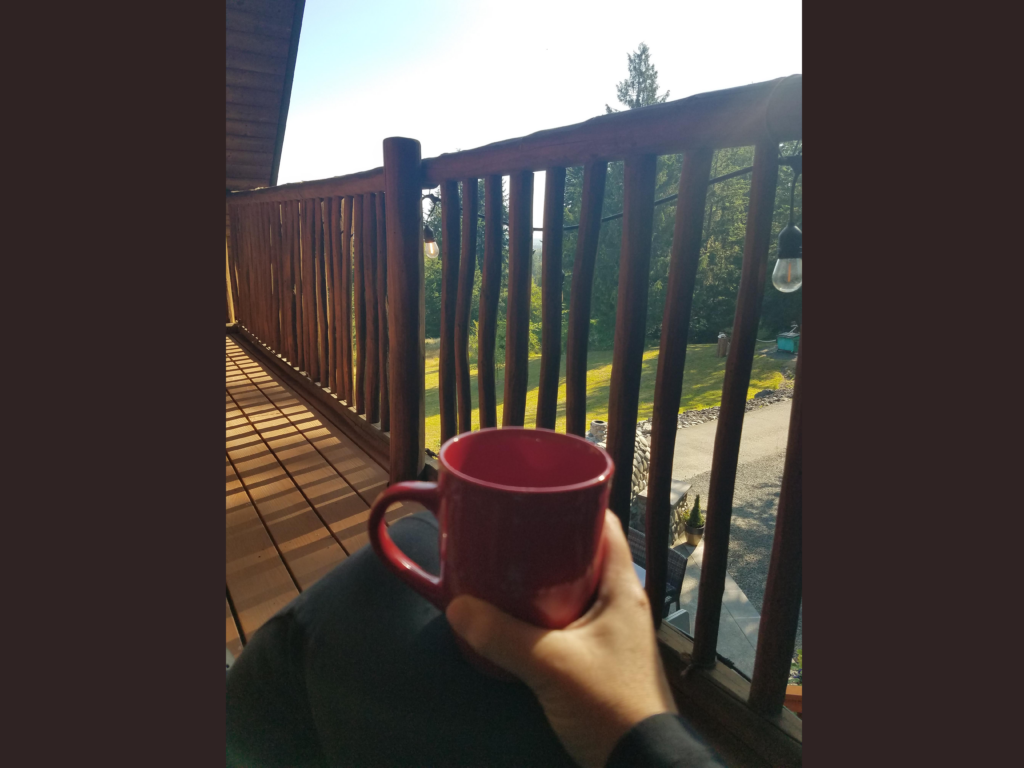
Being physically and emotionally drained from an exceedingly difficult year, and not having had a chance to celebrate one of my favorite holidays the way I wanted to, I was especially resistant to the idea that Christmas was over and that it was time for us all to “improve” ourselves because we as a society have determined that that’s what we do on January 1 (even though most of us are notoriously bad at following through on any efforts to make ourselves “better.”) And I took all of those negative thoughts out on the people closest to me in the final days of December. Fortunately they’re patient and understanding enough to know the stress I’ve dealt with this year, and no one held it against me, but I recognize that the current situation is not sustainable – for me or for them.
Another Hard Year
It could be a combination of anecdotal evidence and confirmation bias, but I feel like a lot of people around me considered 2025 to be a particularly difficult year. Looking through friends’ posts on social media indicated as much, but there is also business evidence pointing to the steadily increasing use of behavioral health services (i.e. services focused on “daily habits, behavior, and actions of an individual, which can impact the mental health of a patient”). The US market has been growing for several years, and, based on data since 2019, is expected to continue to grow by more than 5% per year through 2032 when it is anticipated to be a $132 Billion industry. [3] Now, part of that growth may certainly be due to increased access to services via telehealth and decreasing stigma of mental health services, both of which are great, but I still think it’s fair to say that a lot of people I know right now are struggling, and it seems like more than before.
Personally, in 2025 I had the worst experience of my life, about a year after having what was previously the worst experience of my life. Professionally, I had new and unexpected challenges at my job (after several years in a row of saying that), and I recognized how much more difficult our work was going to become in 2026. The symptoms of burnout were clearly mounting, and it would not be fair to my team, my family, or (let’s be honest) myself to let them continue unaddressed. Whether or not I was going to follow our societal trend and pour energy into self improvement, I was absolutely going to have to pour energy into self preservation.
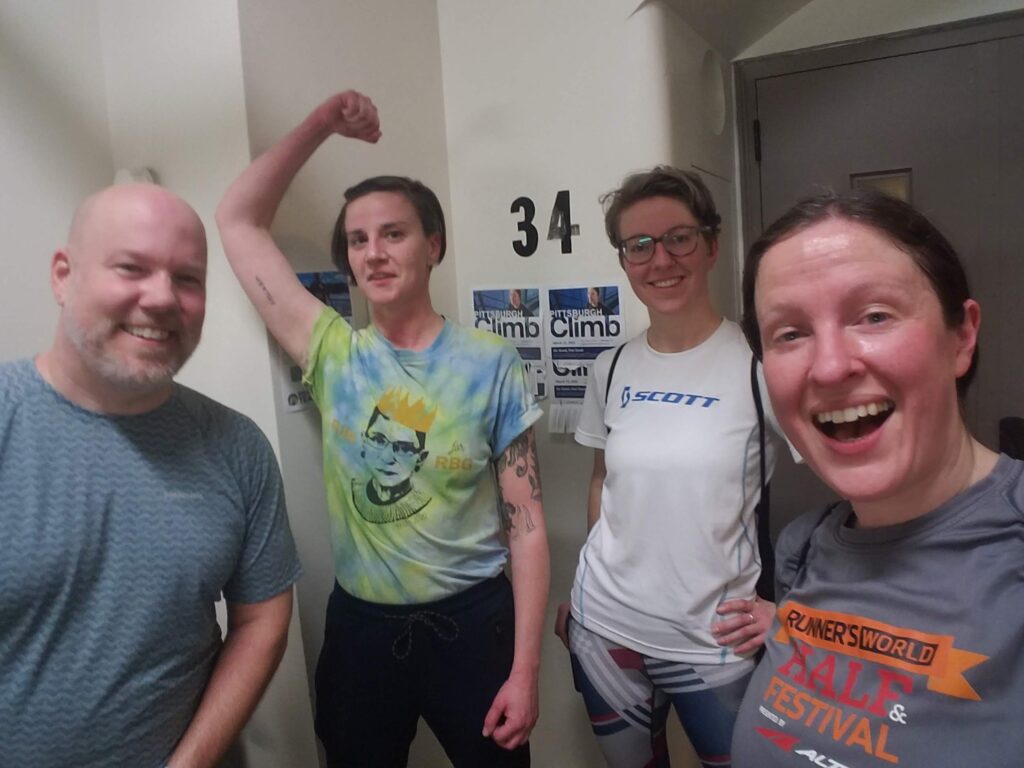
But therein lies the rub: even when our resolutions are in our best interest (physical health, mental health, nurturing relationships, building new skills), we tend not to keep them for long. In fact, only about 9% of Americans keep their resolutions all year, and 64% don’t even make it to the end of January. Cycling app Strava dubbed the second Friday in January “Quitters’ Day,” based on activity dropoff. [4] It begs the question of why we’re so bad at self-governance (a question that really should be explored on multiple levels, especially for anyone watching the news these days, but this post is meant to be focused on the micro level, not the macro). Part of the reason, at least based on my own experience, is that we often focus too rigidly on specific, arbitrary metrics without sufficiently examining the reasons why we’re setting the resolutions in the first place or whether we’re capable of achieving them.
Set for Success
Many online articles have guidance for making “keep-able” resolutions, with common themes around: [5], [6]
- focusing on what the resolution is intended to achieve and creating a more positive framing based on what you’ll gain rather than what you’ll sacrifice (e.g. “eating healthier” instead of “losing 25 pounds”);
- staying flexible around your goals and reflecting on them regularly (either through journaling or with an accountability buddy), while reminding yourself that the goal is improvement, not perfection;
- recognizing that failure will happen and does not represent the end of your resolution, but that it should instead serve as a data point to help you adjust expectations and behaviors to create a more achievable change.
In preparation for this new year, I went back and reread some of my previous resolutions. Most years I’ve created a huge, unwieldy list that dwindles over time, with resolutions getting dropped as soon as I fail at each one of them. In more recent years I’ve limited my lists to single-digits and focused more on priorities or values than on specific actions. Two years ago I created one, big, multi-faceted effort, [7] but my whole life was derailed from anything resembling normality two weeks into 2024. The best I’ve done with resolutions recently (or possibly ever) was, unexpectedly, this last year. Every week I listed my set of six intentions [8] in my planner and made an effort to do some kind of applicable activity for each – if I couldn’t manage something one week, I’d try again the next.

Photo credit: Curtis Saffer
Granted, I didn’t actually do it for the whole year, as I was too depressed to do much of anything starting in June, but I did get back to it in the fall. Every week I wrote the list in my planner and checked each item off as I did it. I didn’t always (or, I think, ever) get to all of them, but it was a constant reminder of my priorities, and that reminder helped me carve out time for them, even later in the year when most people have long abandoned whatever they committed to in January. I do think that approach helped, which is why I’m going to build on it this year.
Progress, not Perfection
Anyone who knows me knows I tend toward unnecessarily complex plans, which is why I’ve expanded last year’s semi-successful, one-dimensional list of priority areas… into a two-dimensional matrix that includes actions related to each priority that I’d like to make sure I do on a daily, weekly, and monthly basis, respectively. (Yes, I set it up in a spreadsheet – did you even need to ask?) As soon as I told Christian that I had created a New Year’s Resolution Matrix, he rolled his eyes so hard that I thought he might detach a retina, but since this effort has to do with improving stress resilience, there are things that I think I need to be doing daily. I will admit that the scale of activities feels ambitious, if not daunting, but my intention is to do as many as I can on the schedule I’ve set, and try again the next day/week/month.
Physical Health
- Daily: Cardio (30 min) & stretching
- Weekly: Cook one vegan meal
- Monthly: Go do a sporty activity somewhere out of the ordinary (e.g. snowboarding, biking, hiking)
Mental Health
- Daily: Meditate (15 min)
- Weekly: Mandatory tech-free, unproductive, downtime activity (e.g. jigsaw puzzle, pleasure reading)
- Monthly: Go have an adventure somewhere out of the ordinary (e.g. drive in the country, museum trip)
Simplify Life & Space
- Daily: Organize work spaces (30 min)
- Weekly: Sort things to donate / recycle
- Monthly: Deep clean / beautify one room in the house
Nurture Relationships
- Daily: Call someone you love
- Weekly: Date night with Christian
- Monthly: Hang out with friends you don’t see often
Learn & Teach
- Daily: Duolingo (100 XP)
- Weekly: Write about something new you learned
- Monthly: Connect with someone new to talk about Work (professional or personal priorities)
I feel like the last two years my resolutions fell apart because life was hard and I could barely function through depression after losing a loved one… which is valid. But ultimately we’re all living in difficult times… so if resolutions are only there for us to do when we have the time and energy to do them, they’re – realistically – not going to happen. Ultimately, one of the questions I’ve been asking myself (as I’ve been experiencing less energy and patience these days) is how I can better care for myself and make myself more resilient in face of the stress I will undoubtedly be facing in what is already shaping up to be a difficult year. And from here, it seems to me that the point of this effort is to do self care, not in spite of the fact that the world is hard, but because it is.
~
How about you? Have you had success with a certain approach for resolutions? Is there something that helps you stay resilient in the face of stress? I’d love to hear about it below.
Thanks for reading and Happy New Year.
[1] https://radicalmoderate.online/do-your-best-do-something/
[2] https://radicalmoderate.online/krampus-and-kipferln-german-traditions-at-christmas-part-2/
[3] https://www.fortunebusinessinsights.com/u-s-behavioral-health-market-105298
[4] https://medium.com/@lausuperlectura/why-new-years-resolutions-fail-ba1a62d4a6ba
[6] https://medium.com/@lausuperlectura/why-new-years-resolutions-fail-ba1a62d4a6ba
[7] https://radicalmoderate.online/new-years-resolutions-for-the-burned-out/
[8] https://radicalmoderate.online/do-your-best-do-something/
0 Comments